Blogs

Homemade Dog Treat Recipes

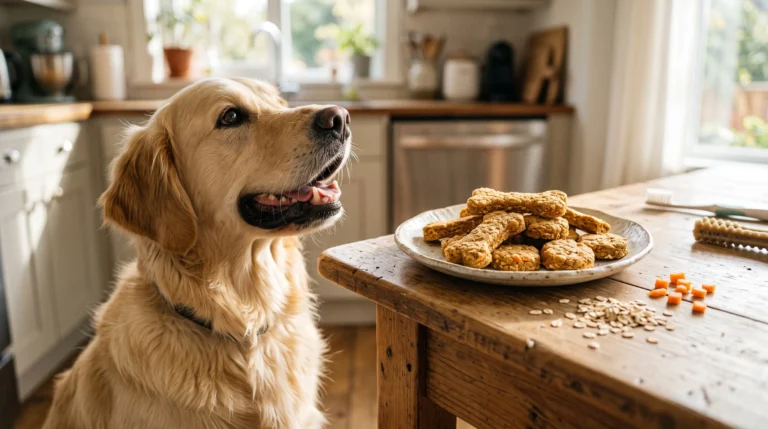
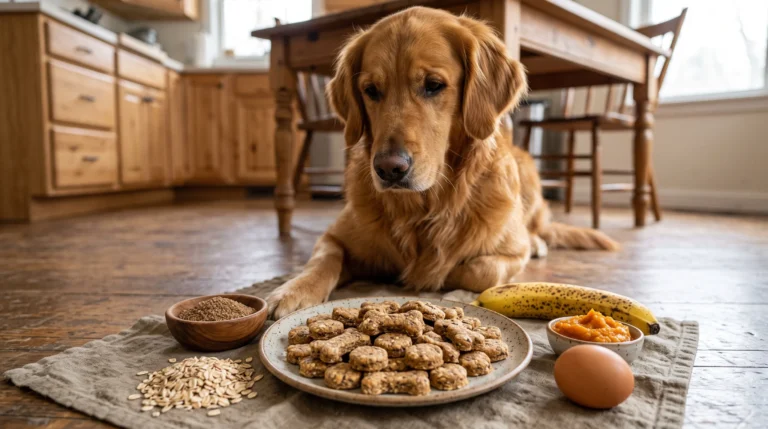
Homemade crunchy dog biscuits for supporting healthy teeth
Read More
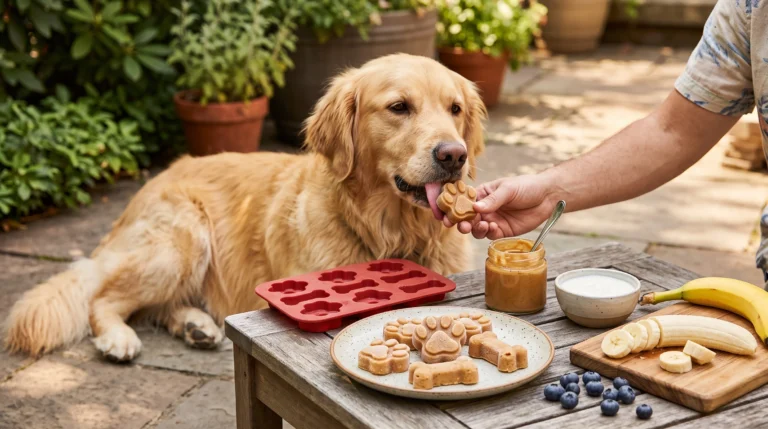
Homemade frozen peanut butter banana treats for dogs
Read More
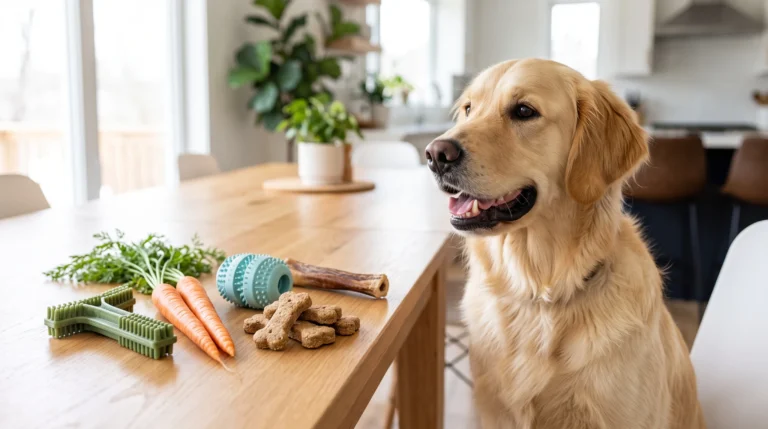
Dog dental chews and crunchy treats for healthy teeth
Read More
Soft homemade dog treats for puppies and senior dogs
Read More
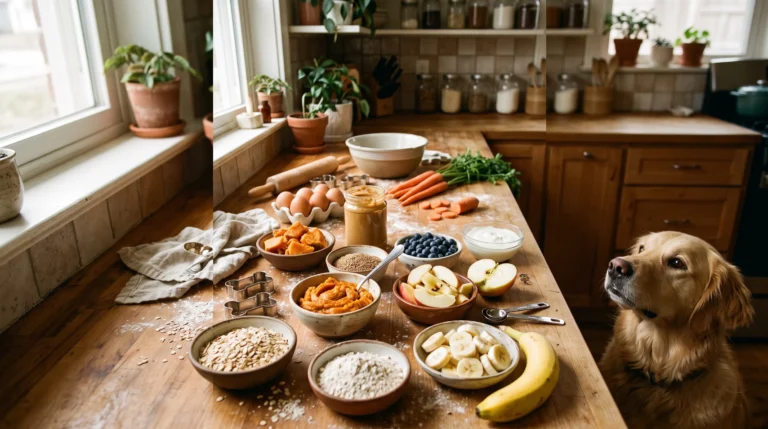
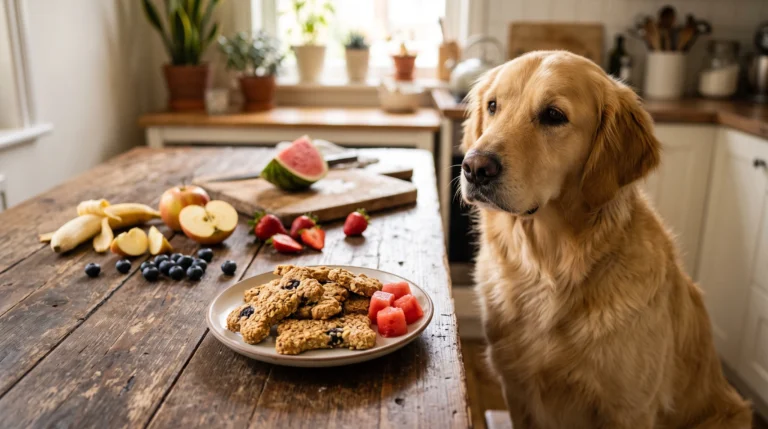
Healthy dog treat ingredients arranged on a kitchen counter
Read More
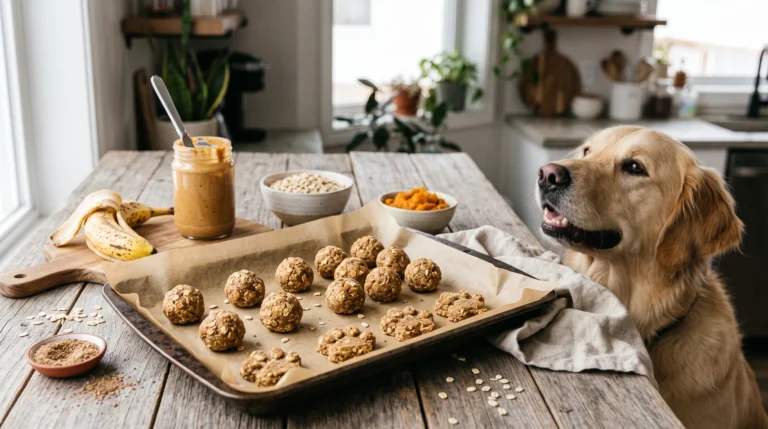
Homemade no-bake peanut butter banana oat dog treats on a tray
Read More
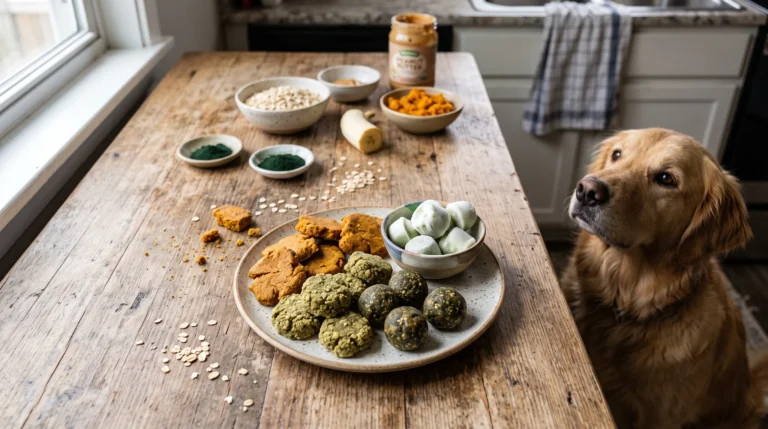
Homemade spirulina dog treats with banana, pumpkin and peanut butter
Read More
Homemade flaxseed dog treats for a healthy shiny coat
Read More
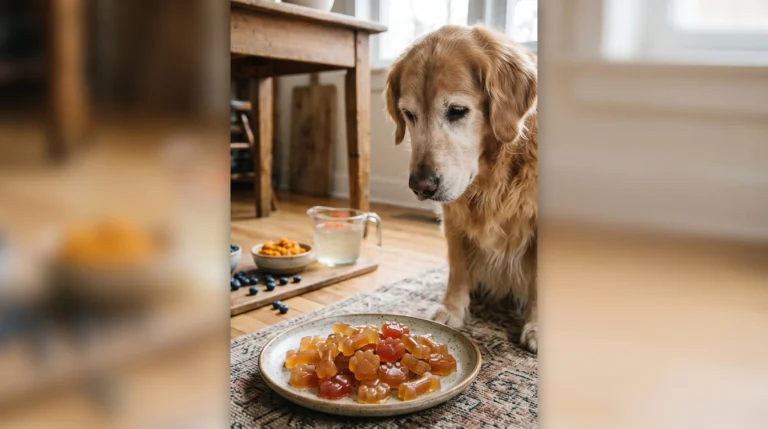
Homemade gelatin dog treats with pumpkin and blueberries for senior dogs
Read More
As dogs get older, you may notice they take a little longer to get up from their bed or hesitate before jumping into the car. Joint stiffness is common in senior dogs, and in large breeds and active dogs at any age. Many owners look for gentle, food-based ways to support their dog’s mobility alongside regular vet care. Gelatin dog treats are a simple, budget-friendly option. They take about 15 minutes of hands-on time, need no oven, and use only a few ingredients. This guide covers why gelatin is popular for joint support, how to make the treats, and how to serve them safely. What Is Gelatin and Why Do Dog Owners Use It? Gelatin is made by cooking collagen, the protein found in connective tissue like skin, cartilage, and bones. Collagen is a structural building block of cartilage, the cushioning tissue in your dog’s joints. That is why gelatin and bone broth have become popular ingredients in homemade treats for active and aging dogs. It’s worth being honest about what gelatin can and can’t do. It is a protein-rich food that many dogs enjoy and digest well, and some owners feel it fits well into a joint-friendly routine. But it is a treat, not a medication. Research on collagen and joint health in dogs is still developing, so gelatin should never replace veterinary treatment, prescribed supplements, or a healthy weight. Think of it as a tasty extra, not a cure. Benefits of Homemade Gelatin Treats You control the ingredients. Many commercial joint chews contain fillers, flavorings, and preservatives. At home, you choose every ingredient. They’re easy to chew. The soft, jelly-like texture suits senior dogs and dogs with dental problems who struggle with hard biscuits. They add hydration. Because they’re made with broth, they give a small boost of fluids, which is handy for dogs that don’t drink much. They’re low in effort. There’s no dough, no rolling, and no baking. If you enjoy quick recipes, you’ll also like our 5 no-bake dog treat recipes. Ingredients This recipe makes about 30 small gummy treats, depending on your mold size. 1 cup low-sodium bone broth or chicken broth (no onion, no garlic, no added salt) 2 tablespoons plain, unflavored gelatin powder (about 2 standard packets) 1/2 cup plain canned pumpkin (not pumpkin pie filling) 1/4 cup fresh or frozen blueberries, mashed (optional) Equipment: Small saucepan Silicone mold (bone, paw, or mini cube shapes) Whisk or fork Dropper or small spoon for filling the molds Important: Always check broth labels. Onion and garlic are toxic to dogs, and many store-bought broths contain them. Homemade broth made only from meat and bones is the safest choice. Also avoid flavored gelatin desserts such as Jell-O, since they contain sugar and sometimes xylitol, which is dangerous for dogs. Step-by-Step Instructions Step 1: Bloom the Gelatin Pour 1/4 cup of cold broth into a small bowl and sprinkle the gelatin powder evenly over the top. Let it sit for 5 minutes until it looks thick and wrinkly. This step prevents clumps and helps the treats set properly. Step 2: Warm the Remaining Broth Heat the remaining 3/4 cup of broth in a saucepan over low heat until it is warm and steaming, but not boiling. Step 3: Combine Remove the pan from the heat and pour in the bloomed gelatin. Whisk for about a minute until the gelatin dissolves completely and no granules remain. Step 4: Add the Pumpkin and Blueberries Whisk in the pumpkin until the mixture is smooth. Pumpkin is gentle on digestion and adds fiber. If you’d like more antioxidants, stir in the mashed blueberries. For more ideas on nutrient-rich ingredients, take a look at our guide to immune-boosting dog treats with superfoods. Step 5: Fill the Molds Carefully pour or spoon the mixture into your silicone molds. A small dropper makes this much less messy. Tap the mold gently on the counter to release air bubbles. Step 6: Chill Place the molds in the refrigerator for at least 2 hours, or until completely firm. Once set, pop the treats out and they’re ready to serve. How Much Should You Feed? Because these treats are small and low in calories, they’re easy to portion, but moderation still matters. As a general guide: Small dogs (under 20 lbs): 1 to 2 treats per day Medium dogs (20 to 50 lbs): 2 to 4 treats per day Large dogs (over 50 lbs): 4 to 6 treats per day Treats should make up no more than about 10% of your dog’s daily calories. Start with a single treat on the first day to make sure your dog tolerates it, and ask your vet before adding gelatin to the diet of a dog with kidney disease, pancreatitis, or other health conditions. Storage Tips Refrigerator: Store in an airtight container for up to 5 to 7 days. Freezer: Freeze in a sealed bag for up to 2 months. Thaw a few at a time in the fridge. Warm weather: Gelatin softens at room temperature, so don’t leave treats out for long on hot days. Bring them along in a cooler if you’re heading out together. Tips for Success Use unflavored gelatin only. Check the label for sugar or sweeteners. Keep the broth plain. Skip salt, onion, garlic, and seasoning blends. Support the whole picture. Joint health depends on a healthy weight, gentle regular exercise, and vet checkups, not just treats. Add variety. Rotate in other wholesome snacks, such as omega-3 dog treats for coat and skin, so your dog gets a balanced range of ingredients. Frequently Asked Questions Are gelatin treats safe for dogs? Plain, unflavored gelatin is generally considered safe for most dogs when given in moderation. Always check with your vet if your dog has a medical condition. Do gelatin treats cure arthritis? No. They’re a supportive treat, not a treatment. If your dog shows signs of joint pain, such as limping, stiffness, or reluctance to move, see your veterinarian. Can puppies eat gelatin treats? Yes, in small amounts, but large-breed puppies have specific dietary needs for bone growth, so check with your vet first. Can I use beef or chicken broth? Either works as long as it’s low-sodium and free of onion and garlic. Homemade bone broth is the best option. Can I make these without pumpkin? Yes. Plain broth and gelatin alone will set into simple jelly treats. You can also swap in mashed sweet potato or unsweetened applesauce. Final Thoughts Gelatin treats are an easy, inexpensive way to give your dog something soft, tasty, and made with care, especially if your dog is older or has trouble chewing. They won’t replace veterinary care, but they can be a pleasant part of a joint-friendly routine. Prefer something crunchy for the days between batches? Our easy 3-ingredient dog biscuits are a good companion recipe. This article is for general information only and is not a substitute for professional veterinary advice. Always consult your veterinarian before changing your dog’s diet or treating joint pain. Notes: I couldn’t crawl your site because it blocks automated access, so I picked three links from your list that fit the topic: no-bake recipes, immune-boosting superfoods, and omega-3 treats. The links are clickable in Markdown. If you paste into WordPress, use the HTML view or the block editor’s link tool. The post runs about 1,000 words. Run it through a plagiarism checker such as Copyscape before publishing, since I can’t guarantee uniqueness against every page online. The health wording is deliberately cautious. Google AdSense and Google’s quality guidelines are strict about unproven medical claims on pet-health content. I can also deliver this as a Word or Markdown file, or add a meta title and description.
Read More