


Walk down any pet store aisle or scroll through dog treat ads online, and you’ll see the same buzzwords everywhere: “immune-boosting,” “superfood,” “antioxidant-rich.” It sounds impressive, but what do these claims actually mean for your dog’s health? Is there real science behind immune-boosting treats, or is it just clever marketing dressed up in healthy packaging?
The truth sits somewhere in the middle. Certain ingredients genuinely support a dog’s immune system, while others are added mostly for the marketing appeal. This guide breaks down what “immune boosting” really means for dogs, which superfood ingredients are backed by evidence, and how to separate genuine nutrition from clever labeling.
What Does “Immune Boosting” Actually Mean for Dogs?
A dog’s immune system is a complex network involving gut health, inflammation response, and nutrient levels working together — not something a single treat can “boost” overnight. No cookie or chew can supercharge your dog’s immunity in one sitting. What certain ingredients can do is support the systems that keep immune function strong over time: a healthy gut microbiome, reduced inflammation, and adequate levels of key vitamins and antioxidants.
So when you see “immune boosting” on a treat bag, think of it less as a magic switch and more as a potential long-term contributor — one piece of a much bigger picture that includes diet, exercise, and regular veterinary care.
Superfood Ingredients That Are Backed by Real Benefits
Not every “superfood” claim is hollow. Several ingredients commonly found in dog treats do offer genuine nutritional value.
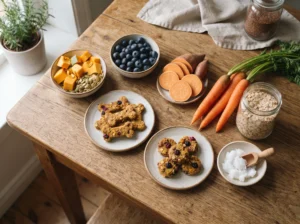
Pumpkin. Rich in beta-carotene and fiber, pumpkin supports both digestive health and immune function. It’s a staple ingredient for a reason, and if you want to put it to work in your own kitchen, our pumpkin dog treats recipe is a simple place to start.
Blueberries. Packed with antioxidants like vitamin C and anthocyanins, blueberries help combat oxidative stress, which plays a role in supporting healthy aging and immune resilience. They’re easy to bake into treats, as shown in our blueberry dog treat recipes.
Sweet potatoes. A great source of vitamin A and fiber, sweet potatoes support gut health and skin integrity, both of which tie into overall immune strength. Try them out in our sweet potato dog treats recipe.
Carrots. Like sweet potatoes, carrots are rich in beta-carotene, which the body converts into vitamin A — important for maintaining healthy mucous membranes, a dog’s first line of defense against pathogens. Our carrot dog treat recipe is an easy way to add them to your rotation.
Coconut oil. Contains lauric acid, which has shown antimicrobial properties in some studies, and may support skin and coat health. It’s a popular add-in, and you can explore it further in our coconut oil dog treats guide.
These ingredients share something in common: they’re whole foods with naturally occurring nutrients, not synthetic additives. That’s generally a good sign when evaluating any “superfood” claim.
Where Marketing Outpaces the Science
Not every immune-boosting claim holds up under scrutiny. Here’s where skepticism is warranted:
Vague “proprietary blends.” If a product lists an “immune support blend” without specifying ingredients or amounts, there’s no way to verify whether it contains a meaningful dose of anything beneficial.
Exotic superfood add-ins in trace amounts. Ingredients like turmeric, spirulina, or goji berries may offer benefits in proper doses, but when they appear at the very end of an ingredient list, they’re likely present in amounts too small to make a measurable difference.
“Clinically proven” without citations. Be wary of claims that sound scientific but don’t point to any actual study. Legitimate research-backed claims are usually easy to find and verify.
One-size-fits-all claims. A treat that claims to boost immunity for every dog, regardless of age, breed, or health status, should be taken with a grain of salt. Nutritional needs vary significantly between a senior dog and a young, healthy puppy.
How to Choose Treats With Real Value
Rather than chasing buzzwords, focus on these practical steps:
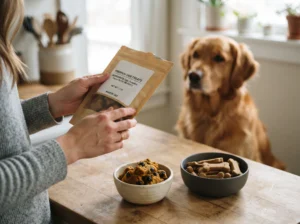
- Read the ingredient list, not just the front label. Ingredients are listed by weight, so look for whole-food superfoods near the top of the list, not buried at the bottom.
- Prioritize whole ingredients over isolated extracts. A treat made with real pumpkin or blueberries is generally more trustworthy than one relying on a powdered “immune blend.”
- Consider your dog’s specific needs. A senior dog, an overweight dog, or a diabetic dog all benefit from different nutritional priorities. If weight management is a concern, our low-calorie treats for overweight dogs guide is worth a look, and for dogs managing blood sugar, check out our sugar-free diabetic dog treats recipe.
- Watch for allergens disguised as “natural flavoring.” If your dog has food sensitivities, our guide to egg-free treats for allergic dogs can help you avoid common triggers while still offering nutritious options.
- Don’t ignore gut health. A large portion of the immune system is tied to digestive health, so ingredients that support digestion — like oats — matter just as much as flashy antioxidants. Our oatmeal recipe for sensitive stomachs is a good example of digestion-first formulation.
Making Your Own Immune-Supportive Treats at Home
One of the most reliable ways to ensure your dog is actually getting beneficial ingredients — not just marketing claims — is to make treats yourself. Homemade treats let you control exactly what goes in, using real, whole-food ingredients in meaningful amounts rather than trace additions.
If you’re new to baking for your dog, start with a basic recipe like our peanut butter dog treats, then build from there by adding superfood ingredients like pumpkin, blueberries, or sweet potato based on what your dog needs most.
Frequently Asked Questions
Can treats alone boost my dog’s immune system?
Not on their own. Treats can contribute helpful nutrients, but a strong immune system depends primarily on a balanced diet, healthy weight, exercise, and regular veterinary care.
Are superfood ingredients safe for all dogs?
Most are safe in moderation, but always introduce new ingredients gradually and check with your vet if your dog has existing health conditions or allergies.
How much of an immune-boosting treat should I give my dog?
Treats, regardless of ingredients, should make up no more than 10% of your dog’s daily caloric intake.
Is it better to buy immune-boosting treats or make them at home?
Homemade treats give you full control over ingredient quality and quantity, which often makes them a more reliable source of real nutritional benefit compared to store-bought options with vague labeling.

Final Thoughts
Immune-boosting claims on dog treats aren’t entirely marketing fluff, but they’re not magic either. Ingredients like pumpkin, blueberries, sweet potato, carrots, and coconut oil offer genuine nutritional value when used in meaningful amounts. The key is learning to read past the buzzwords, check the actual ingredient list, and choose treats — homemade or store-bought — that prioritize whole foods over vague claims. Your dog’s long-term health depends far more on consistent, quality nutrition than on any single “superfood” treat.