

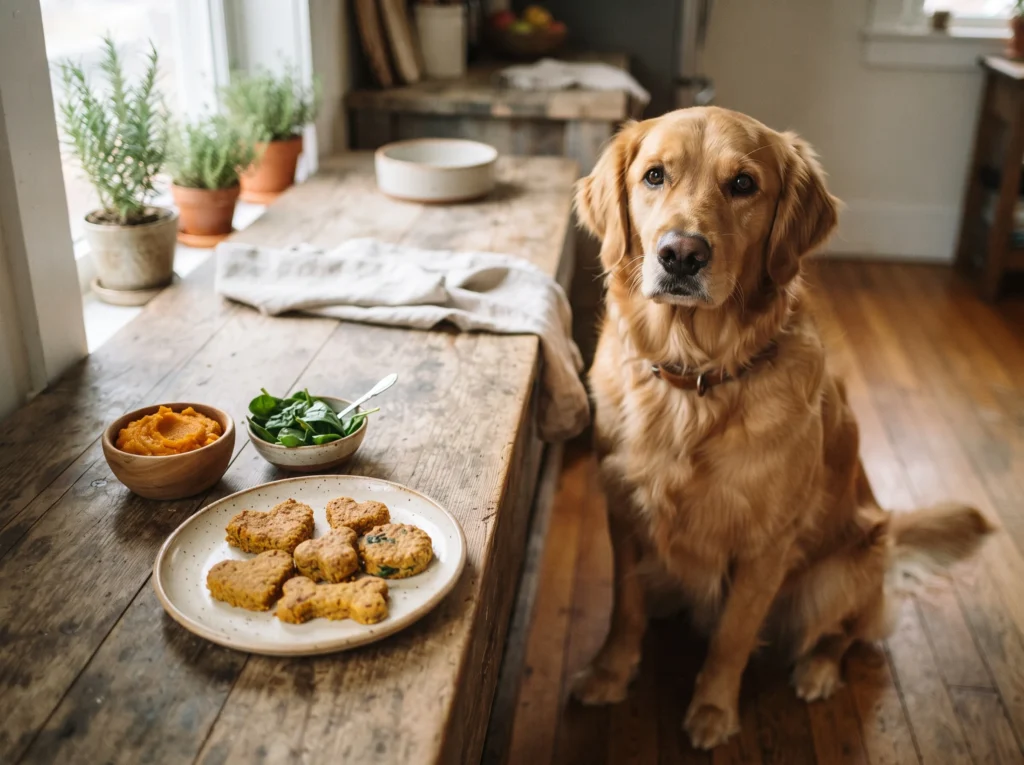
A diabetes diagnosis can feel overwhelming for any pet owner. Suddenly, mealtimes, insulin schedules, and even treat time require careful thought. One of the most common questions veterinarians hear from owners of diabetic dogs is simple but important: “Can my dog still have treats?” The answer is yes — but not just any treat will do. Sugar-free, low-glycemic snacks are essential for keeping a diabetic dog’s blood sugar stable while still letting them enjoy the occasional reward.
This guide explains why sugar-free treats matter so much for diabetic dogs, what ingredients to avoid, and how you can make safe, vet-friendly treats at home.
Understanding Diabetes in Dogs
Canine diabetes mellitus occurs when a dog’s body either doesn’t produce enough insulin or can’t use it effectively. Insulin is the hormone responsible for moving glucose from the bloodstream into cells, where it’s used for energy. Without proper insulin function, glucose builds up in the blood, leading to a range of health issues if left unmanaged.
Common symptoms of diabetes in dogs include:
- Increased thirst and urination
- Unexplained weight loss despite a normal appetite
- Lethargy or reduced energy
- Cloudy eyes (a sign of diabetic cataracts)
- Increased hunger
Most diabetic dogs are managed through a combination of insulin injections, a consistent feeding schedule, and a carefully controlled diet. That’s where treats come in — because even small amounts of sugar or refined carbohydrates can cause dangerous blood sugar spikes.
Why Regular Treats Are Risky for Diabetic Dogs
Many popular commercial dog treats are loaded with ingredients that spike blood glucose quickly, including corn syrup, molasses, honey, white flour, and other refined carbohydrates. For a healthy dog, these ingredients might cause a temporary sugar spike that the body handles without issue. For a diabetic dog, however, the consequences can be more serious.
Blood sugar spikes. A sudden influx of sugar or simple carbs can send a diabetic dog’s glucose levels soaring, undoing the careful balance achieved through insulin therapy.
Interference with insulin dosing. Veterinarians calculate insulin doses based on a dog’s regular diet. Unexpected sugary treats can throw off this balance, making blood sugar harder to control.
Weight gain. Obesity is closely linked to insulin resistance, and sugary, high-calorie treats can contribute to weight gain, worsening diabetic symptoms over time.
Long-term complications. Poorly controlled blood sugar increases the risk of complications like diabetic cataracts, nerve damage, and even life-threatening episodes of ketoacidosis.
This is why sugar-free, low-glycemic treats aren’t just a nice-to-have for diabetic dogs — they’re a genuine health necessity.
What Makes a Treat “Diabetic-Friendly”?
When choosing or making treats for a diabetic dog, look for these qualities:
- Low glycemic index ingredients that release glucose slowly into the bloodstream
- High fiber content, which slows sugar absorption and supports digestion
- No added sugars, including honey, molasses, corn syrup, or brown sugar
- Lean protein, which doesn’t impact blood sugar the way carbohydrates do
- No xylitol, an artificial sweetener that is toxic to dogs regardless of their diabetic status
Ingredients like pumpkin, leafy greens, lean chicken, and certain whole grains in moderation tend to be excellent choices for diabetic-friendly treats.

Ingredients to Avoid Completely
- White flour and refined carbohydrates
- Honey, corn syrup, molasses, or brown sugar
- Xylitol (extremely toxic, even in tiny amounts)
- High-fat meats like bacon or sausage, which can trigger pancreatitis
- Store-bought treats with vague labeling like “natural flavors,” which may hide added sugars
Homemade Sugar-Free Dog Treats: A Simple Recipe
Making treats at home gives you full control over ingredients — a major advantage when managing a diabetic dog’s diet. Here’s a simple, vet-friendly recipe using low-glycemic ingredients.
Ingredients
- 1 cup canned pumpkin puree (plain, not pie filling)
- 1 cup oat flour (or ground rolled oats)
- 1/2 cup shredded cooked chicken (unseasoned)
- 1 egg
- 1/4 cup finely chopped spinach or parsley (optional, for added nutrients)
Equipment Needed
- Mixing bowl
- Baking sheet
- Parchment paper
- Cookie cutter (optional)
Instructions
Step 1: Preheat the oven to 350°F (175°C) and line a baking sheet with parchment paper.
Step 2: Combine wet ingredients. In a large bowl, mix the pumpkin puree and egg until smooth.
Step 3: Add the chicken and greens. Stir in the shredded chicken and chopped spinach or parsley, if using.
Step 4: Fold in the oat flour. Gradually add the oat flour, stirring until a firm, workable dough forms. If the dough feels too sticky, add flour a tablespoon at a time.
Step 5: Shape the treats. Roll the dough into small balls and flatten slightly, or roll it out and cut shapes with a cookie cutter.
Step 6: Bake. Place the treats on the prepared baking sheet and bake for 20–25 minutes, until firm and lightly golden.

Step 7: Cool completely before serving, and store in an airtight container in the refrigerator for up to a week, or freeze for longer storage.

Tips for Feeding Treats to a Diabetic Dog
- Stick to a consistent schedule. Give treats around the same time each day, ideally alongside meals, to avoid unpredictable blood sugar fluctuations.
- Practice portion control. Even diabetic-friendly treats should be given in moderation — treats should never exceed about 10% of daily caloric intake.
- Monitor your dog’s response. Keep an eye on energy levels and behavior after introducing a new treat, and consult your vet if anything seems off.
- Always consult your veterinarian before making significant changes to your diabetic dog’s diet, even with homemade treats.
Frequently Asked Questions
Can diabetic dogs eat fruit as treats?
Some fruits, like small amounts of apple (without seeds) or blueberries, can be given occasionally, but always check with your vet first since fruit still contains natural sugars.
Is peanut butter safe for diabetic dogs?
Only if it’s a natural, xylitol-free variety with no added sugar, and even then, it should be given sparingly due to its fat content.
How often can I give my diabetic dog treats?
Treats should be given in small amounts and factored into their overall daily caloric and carbohydrate intake, ideally in consultation with your veterinarian.
Final Thoughts
Managing a diabetic dog’s diet doesn’t mean cutting out treats entirely — it means being more intentional about what goes into them. By choosing low-glycemic, sugar-free ingredients and making treats at home, you can continue to reward your dog safely while supporting their overall health. As always, work closely with your veterinarian to ensure any dietary changes align with your dog’s specific insulin and management plan.