

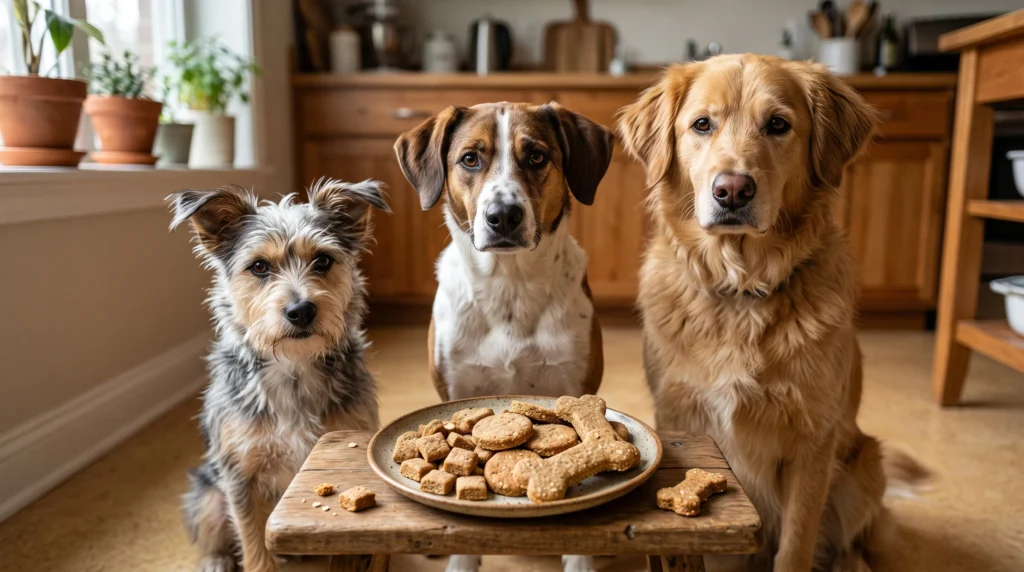
Mixed breed dogs are full of surprises. One may have a Labrador’s appetite in a beagle-sized body, and another may have a tiny frame but the energy of a border collie. That makes shopping for treats tricky, because most packages are written for a specific size or breed. This guide covers how to choose treats for a mixed breed dog and includes one simple homemade recipe that works for any size, from a 10-pound mutt to a 90-pound one.
Why Mixed Breed Dogs Need a Flexible Treat Approach
Purebred dogs have fairly predictable sizes and needs. Mixed breeds don’t. Even two puppies from the same litter can grow into very different adults. Instead of looking for a “breed-specific” treat, focus on three things that matter for every dog:
- Size of the treat. It should suit your dog’s mouth and chewing style.
- Simple, recognizable ingredients. Fewer ingredients make it easier to spot what your dog tolerates.
- Calorie control. Treats should make up no more than about 10% of your dog’s daily calories.
Choosing the Right Treat Size
Treat size affects safety and portion control more than most owners realize.
Small dogs (under 20 lbs): Treats should be pea-sized or smaller. Large pieces are a choking risk and add calories quickly. Our guide to the best dog treats for small breeds has ideas designed for tiny mouths.
Medium dogs (20 to 50 lbs): Thumbnail-sized treats are usually a good fit. They’re easy to chew and still feel like a reward.
Large dogs (over 50 lbs): Larger dogs can handle bigger biscuits, but they still need portion limits. You can find more ideas in these large breed dog treat recipes.
If you don’t know your dog’s adult size yet, such as with a rescue puppy, start with smaller pieces and adjust as they grow.
What Makes a Treat Safe for Any Dog
Whatever mix of breeds your dog has, some basics always apply.
Good, safe ingredients include:
- Plain pumpkin puree (not pie filling)
- Rolled oats or oat flour
- Plain cooked chicken or turkey
- Carrots and green beans
- Apples without the seeds or core
- Xylitol-free peanut butter
Always avoid:
- Xylitol, a sweetener that is toxic to dogs
- Chocolate, grapes, raisins, onions, and garlic
- Macadamia nuts
- Excess salt, sugar, and seasonings
If you’re unsure about an ingredient, check with your veterinarian before feeding it.
Easy Homemade Treat Recipe for Any Size Dog
This recipe uses a handful of pantry staples and makes a soft dough that is easy to cut into any size. That makes it a good fit for a household with more than one dog, or for a dog whose adult size is still a mystery.
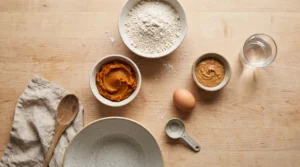
Ingredients
- 2 cups oat flour (or blend rolled oats into a fine powder)
- ½ cup plain canned pumpkin
- ¼ cup xylitol-free peanut butter
- 1 egg
- 2 to 4 tablespoons water, as needed
Instructions
Step 1: Preheat. Heat your oven to 350°F (175°C) and line a baking sheet with parchment paper.
Step 2: Mix the wet ingredients. In a large bowl, stir together the pumpkin, peanut butter, and egg until smooth.
Step 3: Add the oat flour. Mix in the oat flour a little at a time. The dough should be firm but slightly sticky. Add water a tablespoon at a time if it’s too dry, or a little more oat flour if it’s too wet.
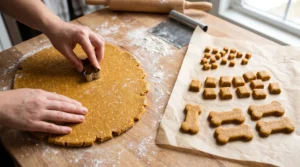
Step 4: Roll and cut. Roll the dough to about ¼ inch thick on a lightly floured surface. This is where you customize:
- For small dogs, cut tiny squares about the size of a pea.
- For medium dogs, cut pieces about the size of a thumbnail.
- For large dogs, use a bone-shaped cutter or cut larger squares.
Step 5: Bake. Bake small pieces for 12 to 15 minutes and larger pieces for 18 to 22 minutes, until they’re golden and firm.
Step 6: Cool. Let the treats cool completely on a wire rack. They will firm up and crisp as they cool.
How Many Treats Per Day?
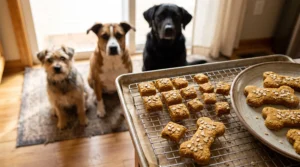
A simple rule is to keep treats under 10% of your dog’s daily calories. As a rough guide, a small dog might have two to four tiny pieces a day, a medium dog three to five pieces, and a large dog a few larger biscuits. These numbers are only a starting point, because activity level, age, and weight all matter. If your dog is overweight or has a health condition, ask your vet how many treats fit into their daily diet.
Treats for Mixed Breeds With Food Sensitivities
Mixed breeds are often healthier than some purebreds, but they can still have allergies and sensitive stomachs. Common signs include itchy skin, ear infections, gas, and loose stools. If you suspect a sensitivity, introduce one new ingredient at a time so you can tell what causes a reaction. You can swap the egg in the recipe above for two extra tablespoons of pumpkin, and use oat flour instead of wheat flour. For more options, see these allergy-friendly treats for all breeds.
Storage Tips
Homemade treats contain no preservatives, so store them properly:
- Room temperature: up to 5 days in an airtight container
- Refrigerator: up to 2 weeks
- Freezer: up to 3 months in a sealed bag
Throw away any treats that smell off or show signs of mold.
Frequently Asked Questions
Can I give the same treats to my small dog and my large dog?
Yes, as long as the ingredients are safe for both. Just adjust the size and the number of treats for each dog.
Are homemade treats better than store-bought?
Homemade treats let you control the ingredients, which helps if your dog has sensitivities. Many store-bought treats are also perfectly fine. What matters is a short, recognizable ingredient list.
When can puppies start eating these treats?
Most puppies can have small amounts once they’re eating solid food, but check with your vet first, since puppies have delicate digestion.
How do I know if my dog is reacting to a new treat?
Watch for vomiting, diarrhea, itching, or unusual tiredness. Stop feeding the treat and call your vet if symptoms continue.
Final Thoughts
You don’t need to know your dog’s exact breed mix to choose good treats. Pick simple ingredients, match the treat size to your dog’s mouth, and keep portions small. A flexible recipe like this one lets you bake one batch and serve it to dogs of any size. Introduce new treats slowly and ask your vet when you have health questions.