


Dog treats add up fast. If you reward your dog for training, good behavior, or just for being adorable, a few bags a month can quietly take a bite out of your budget. The good news is that you don’t need to spend a lot to give your dog something tasty and wholesome. This guide covers the types of treats that give the most value for under $10, how to read labels so you don’t overpay for marketing, and a few ways to stretch every bag further.
What “Budget-Friendly” Should Really Mean
The cheapest bag isn’t always the best deal. A low price tag can hide fillers, artificial colors, or tiny portions. A better measure is cost per treat and quality of ingredients.
Before you buy, ask three questions:
- How many treats are in the bag? A $6 bag with 150 treats beats a $5 bag with 40.
- Is a real food listed first? Look for chicken, beef, sweet potato, oats, or peanut butter at the top of the ingredient list, not generic “meat meal” or sugar.
- Can I break the treats into smaller pieces? Most dogs care about the taste, not the size, so a treat that splits easily gives you more rewards per bag.
Prices vary by store, region, and season, so treat the ranges below as general guidance and check current prices before you buy.
Treat Types That Usually Cost Under $10
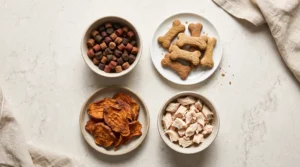
1. Soft, Small Training Treats
Soft treats are ideal for training because dogs can swallow them quickly and stay focused on you. Many come in resealable pouches with a large count, which keeps the cost per reward low. If you’re building a training routine, our guide to training treats for reward sessions shows what to look for in a good reward.
2. Crunchy Biscuits
Classic baked biscuits are often the cheapest option per ounce. They store well, last a long time, and many dogs enjoy the crunch. Look for simple recipes with whole grains and a recognizable protein. Large biscuits can usually be snapped in half or in quarters, so one box goes a long way.
3. Single-Ingredient Treats
Dried sweet potato slices or plain dried chicken pieces are short on ingredients and easy to understand. Pricing varies, but smaller bags often land under $10. Because there’s no filler, a little goes a long way with picky eaters.
4. Bulk or Value Packs
Larger value bags from reputable brands often bring the per-treat cost down. This works best if you have a medium or large dog, or several dogs. Just make sure you’ll use the treats before they go stale. Once the bag is open, keep it sealed and in a cool, dry spot.
5. Fresh Foods From Your Own Kitchen
Some of the cheapest treats are already in your fridge. Plain, cooked carrots, small apple slices (no seeds or core), blueberries, and cucumber slices are inexpensive and low in calories. Always introduce new foods slowly, and avoid anything toxic to dogs such as grapes, raisins, onions, chocolate, and xylitol. If you’re unsure about a food, ask your vet first.
Make Your Own and Save Even More
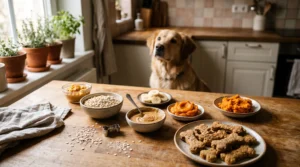
Homemade treats are often the best value of all. A single bag of oats and a jar of peanut butter can make dozens of biscuits for a fraction of the price of boutique treats, and you control every ingredient. Our homemade dog biscuits with 3 ingredients recipe is a good starting point if you’ve never baked for your dog before.
Short on time or don’t want to turn on the oven? Our collection of no-bake dog treat recipes comes together with just a bowl and a fridge, which also saves on energy costs.
How to Read a Dog Treat Label Like a Pro
Labels are where cheap treats either prove themselves or fall apart. Keep these points in mind:
- Ingredients are listed by weight. The first few items make up most of the treat.
- Watch for added sugars and artificial colors. Dogs don’t care what color a treat is. That’s for the shopper.
- Check the calorie count. Many labels list calories per treat, which helps you stay within your dog’s daily limit.
- Look for a nutritional adequacy or manufacturing statement. Reputable brands generally say where and how their products are made.
- Avoid xylitol completely. It’s highly toxic to dogs and sometimes appears in peanut butter and baked goods made for people.
How Many Treats Should Your Dog Get?
As a general rule, treats should make up no more than about 10% of your dog’s daily calories. The rest should come from a complete and balanced diet. Overdoing treats can lead to weight gain and upset stomachs, no matter how cheap or healthy they are.
This is where budget treats shine. Small, low-calorie pieces let you reward your dog many times without overfeeding. Break each treat into pea-sized bits for training sessions and your bag will last much longer.
Smart Ways to Stretch Your Treat Budget
- Break treats into smaller pieces. Dogs respond to the reward, not the size.
- Use part of their regular kibble as a reward. Many dogs happily work for their own food.
- Buy in bulk only when you can store it properly. Freeze extra homemade treats or keep unopened packs sealed.
- Rotate flavors. Variety keeps treats exciting, so you can use less.
- Compare unit prices. Check the price per ounce on the shelf tag instead of the sticker price.
- Watch for sales and subscribe-and-save deals from trusted retailers.
Frequently Asked Questions
Are cheap dog treats bad for my dog?
Not necessarily. Price alone doesn’t tell you quality. A simple, well-made $6 treat can be a better choice than an expensive one full of additives. Read the ingredients and watch how your dog reacts.
What are the best budget treats for training?
Small, soft treats that you can break into tiny pieces are usually the most cost-effective option because you get many rewards from one bag.
Can I give my dog human foods as cheap treats?
Some, yes, such as plain carrots, blueberries, and apple slices without seeds. Others are dangerous, including grapes, chocolate, and anything with xylitol. When in doubt, check with your vet.
How should I store dog treats to keep them fresh?
Keep them in an airtight container in a cool, dry place. Homemade treats without preservatives last longer in the fridge or freezer.
How do I know if my dog actually likes a treat?
Watch their behavior. A treat they take eagerly and eat without hesitation is a winner. If they spit it out or ignore it, move on.
Final Thoughts
Great treats don’t have to be expensive. By focusing on cost per treat, reading the ingredient list, and breaking rewards into smaller pieces, you can keep your dog happy and your wallet intact. Mix store-bought favorites with simple homemade recipes, and your dog will have plenty to be excited about without costing you a fortune. Every dog is different, so talk to your veterinarian if your pet has allergies, a sensitive stomach, or a health condition before changing their treats.