

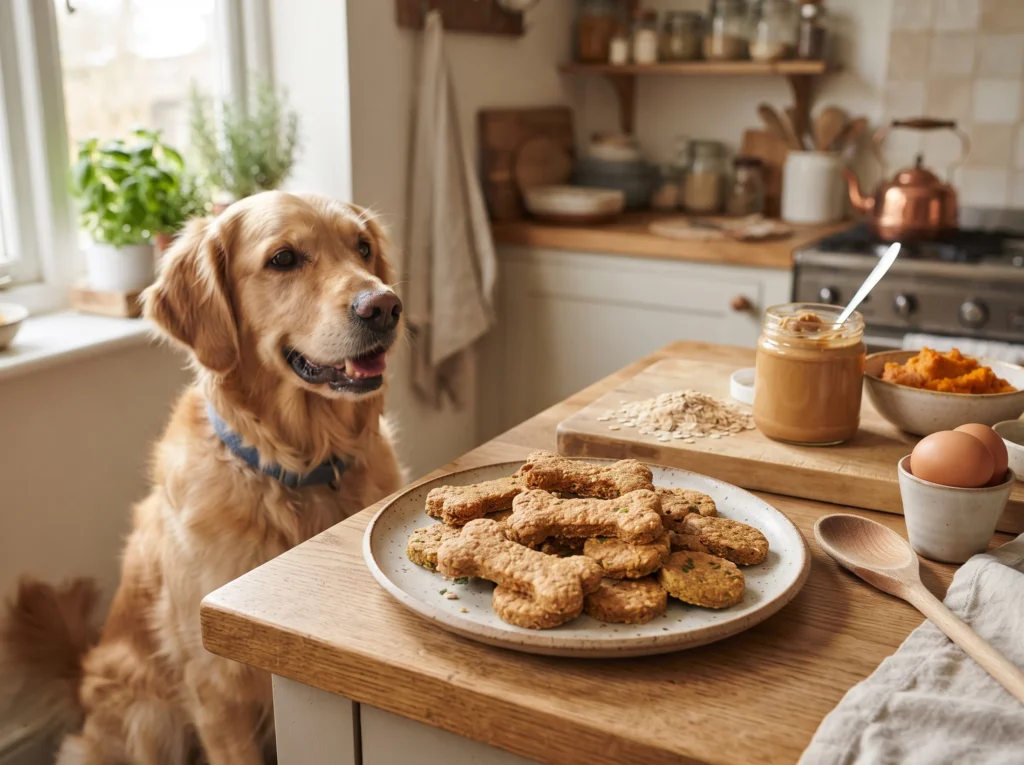
Walk down the pet food aisle and you’ll find dozens of boxes promising “crunchy,” “natural,” and “wholesome” dog biscuits. But flip the box over, and the ingredient list often tells a different story — preservatives, artificial flavoring, and fillers that add texture without adding nutrition. For dog owners who want better for their pets, homemade crunchy biscuits are quickly becoming the preferred choice, and once you see the differences side by side, it’s easy to understand why.
This post breaks down exactly why homemade crunchy dog biscuits consistently outperform store-bought options — from ingredient quality to cost to your dog’s actual enjoyment — and how you can start making the switch today.
1. You Control Every Ingredient
The single biggest advantage of homemade biscuits is transparency. When you bake at home, there’s no guessing what’s inside. Store-bought treats often rely on preservatives like BHA or BHT to extend shelf life, along with artificial colors that serve no nutritional purpose — they’re there purely to make the product look more appealing to humans, not dogs.
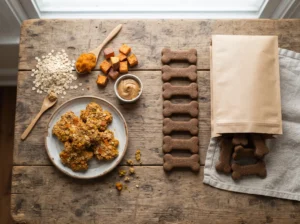
With homemade biscuits, you choose whole-food ingredients like oats, peanut butter, pumpkin, or sweet potato — foods you can pronounce and recognize. If your dog has specific sensitivities, this control becomes even more valuable. Our guide on common dog food allergies walks through which ingredients to watch out for and how to adjust recipes accordingly.
2. Better Nutritional Value
Many commercial dog biscuits are formulated primarily for shelf stability and crunch, not nutrition. Homemade biscuits, on the other hand, let you pack in real nutritional benefits — fiber from oats, vitamins from pumpkin, protein from natural peanut butter, or antioxidants from blueberries.
You can even tailor treats to your dog’s specific needs. Got a dog with a sensitive stomach? You can lean on gentle, fiber-rich ingredients like oats, similar to what we cover in our oatmeal dog treat recipe for sensitive stomachs. Trying to support joint health in an older dog? Add ingredients known for anti-inflammatory benefits. Store-bought treats simply can’t offer that level of customization.
3. No Mystery Meat or Fillers
“Meat by-products” is a common phrase on commercial treat labels, and it’s intentionally vague. It can include parts of the animal that most owners wouldn’t choose to feed their dog if given the full picture. Many mass-produced biscuits also rely on fillers like corn syrup, soy, or low-quality grain blends to bulk up the product cheaply.
When you make biscuits at home, there’s no ambiguity. If a recipe calls for chicken, you use real chicken. If it calls for oats, you use real oats. Nothing is hidden behind a vague label.
4. Freshness You Can Actually Taste (and Smell)
Store-bought biscuits can sit in a warehouse, on a truck, and then on a shelf for months before they ever reach your dog’s bowl. Homemade biscuits, by contrast, are fresh out of the oven — and dogs, who rely heavily on scent, often respond more enthusiastically to treats with a strong, fresh aroma.
This is one reason homemade treats tend to get a more excited reaction. If you haven’t tried baking yet, our beginner-friendly homemade dog biscuit recipe with 3 simple ingredients is a great first batch to test this difference for yourself.
5. Significant Cost Savings
Premium “natural” or “grain-free” dog biscuits can be surprisingly expensive, especially from boutique or specialty brands. A small bag can easily cost more than the ingredients needed to make several batches at home.
Basic pantry staples like oats, eggs, peanut butter, and pumpkin are inexpensive and often already in your kitchen. Over time, baking at home can save dog owners a meaningful amount of money, especially for multi-dog households that go through treats quickly.
6. The Satisfying Crunch, Done Right
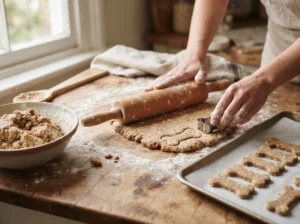
Texture matters more than most people realize. A proper crunchy biscuit should snap cleanly, not crumble into dust or feel artificially hard. Achieving the right crunch at home comes down to two things: thin, even shaping and a slow, low-temperature bake that draws out moisture without burning the biscuit.
Store-bought biscuits often use high-heat industrial baking or extrusion processes that prioritize speed over texture quality. Home baking, done patiently, tends to produce a more satisfying, natural crunch — the kind dogs seem to genuinely enjoy chewing through.
7. No Unnecessary Additives for Shelf Life
Because commercial biscuits need to survive months of shipping and storage, manufacturers often add preservatives purely for longevity, not for your dog’s benefit. Homemade biscuits don’t need to last a year on a shelf, so they don’t require those additives.
Yes, this means homemade treats have a shorter shelf life — typically 1–2 weeks at room temperature or several months in the freezer — but that trade-off is a fair one for the ingredient quality you gain.
8. It’s a Bonding Activity, Not Just a Purchase
There’s a meaningful difference between tossing a bag into your shopping cart and spending twenty minutes in the kitchen making something specifically for your dog. Many owners find that baking treats becomes a small ritual their dog starts to recognize and look forward to — the sound of the mixing bowl, the smell from the oven, the anticipation at the kitchen door.
This emotional and relational value is something store-bought treats simply can’t replicate.

How to Get Started
If you’re ready to make the switch from store-bought to homemade, start simple. A three-ingredient recipe is the easiest entry point, requiring no specialty equipment or hard-to-find ingredients. From there, you can branch into recipes tailored to your dog’s needs, whether that’s sensitive digestion, weight management, or added nutritional boosts like pumpkin or flax seed.
Frequently Asked Questions
Are homemade biscuits actually healthier than store-bought ones?
In most cases, yes — because you control the ingredients directly and can avoid unnecessary fillers, preservatives, and artificial additives.
Do homemade biscuits last as long as store-bought ones?
No, homemade biscuits generally have a shorter shelf life due to the absence of preservatives, but refrigeration or freezing can extend freshness for weeks or months.
Is it more expensive to make treats at home?
Typically, no. Basic homemade biscuit recipes use inexpensive pantry staples and often cost less per batch than premium store-bought treats.
Can I make crunchy biscuits without an oven?
An oven (or a dehydrator) is generally necessary to achieve that signature crunchy texture, since crunch comes from slowly removing moisture.
Final Thoughts
Homemade crunchy dog biscuits win out in nearly every category that matters — ingredient quality, nutrition, freshness, cost, and the bond they help build with your dog. While store-bought treats offer convenience, they rarely match the transparency and care that comes from baking at home. Once you try it, it’s hard to go back to the pet aisle.