

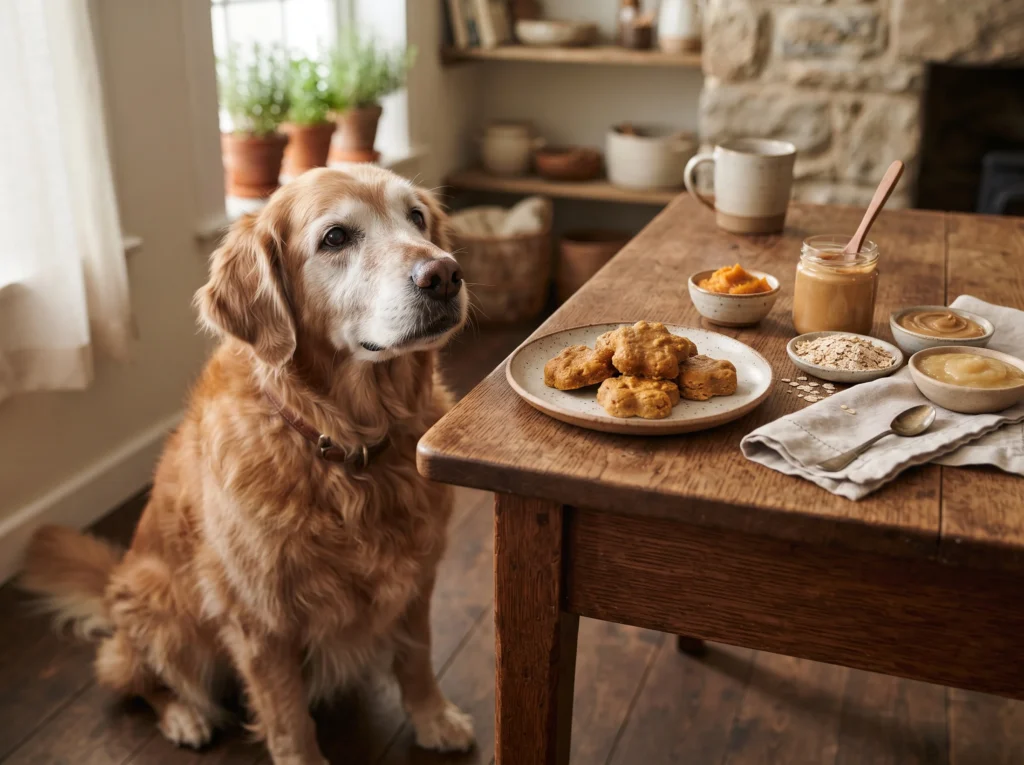
Watching your dog grow older comes with a mix of tender moments and quiet worries. One of the most common issues senior dogs face is difficulty chewing — whether it’s due to arthritis, missing teeth, dental disease, or simply the natural wear and tear that comes with age. If your once-enthusiastic chewer now hesitates at treat time or drops hard biscuits after a few attempts, it’s a sign their body needs a gentler option.
The good news is that keeping treat time enjoyable for an aging dog doesn’t require giving up snacks altogether. It just means rethinking texture. Soft, easy-to-chew treats can still deliver flavor, nutrition, and joy — without putting strain on tender jaws or sensitive teeth. This guide covers everything you need to know about choosing and making senior-friendly dog treats that are soft, safe, and satisfying.
Why Senior Dogs Need Softer Treats
As dogs age, several physical changes can make chewing harder biscuits uncomfortable or even painful:
Dental issues. Older dogs are more prone to tooth loss, gum disease, and tooth sensitivity. Hard treats can crack weakened teeth or cause pain when biting down.
Arthritis and jaw stiffness. Just like joints in the legs and hips, the temporomandibular joint (jaw) can develop arthritis, making repeated chewing tiring or uncomfortable.
Reduced saliva production. Aging can reduce saliva output, making dry, hard treats more difficult to chew and swallow comfortably.
Weaker jaw muscles. Overall muscle mass tends to decline with age, including in the jaw, which can make prolonged chewing exhausting.
Recognizing these changes early and adjusting treat texture accordingly can make a meaningful difference in your senior dog’s quality of life and enjoyment of daily treats.
What Makes a Treat “Senior-Friendly”?
Not all soft treats are created equal. When choosing or making treats for an aging dog, look for these qualities:
- Soft, moist texture that requires minimal chewing effort
- Small, bite-sized pieces that are easy to manage
- Easily digestible ingredients that are gentle on aging digestive systems
- No hard shells, bones, or crunchy coatings
- Nutrient-dense ingredients that support joint health, energy, and immune function
Ingredients for Soft Senior Dog Treats
Here’s a simple, vet-friendly recipe using wholesome ingredients that are gentle on aging teeth and jaws.
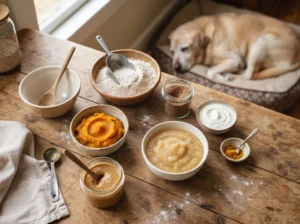
Base Recipe (makes about 20–24 small soft treats):
- 1 cup canned pumpkin puree (plain, not pie filling)
- 1/2 cup unsweetened applesauce
- 1 cup oat flour (or finely ground rolled oats)
- 1/4 cup natural peanut butter (xylitol-free)
Optional Add-Ins for Joint and Digestive Support:
- 1 teaspoon turmeric (anti-inflammatory properties)
- 1 tablespoon flaxseed meal (omega-3 fatty acids)
- 1/4 cup plain, unsweetened yogurt (probiotics for digestion)
- A pinch of ginger (may help soothe stiff joints)
Equipment Needed:
- Mixing bowl
- Baking sheet or silicone mold
- Parchment paper
- Small spoon or melon baller
Step-by-Step Instructions
Step 1: Preheat the Oven
Set your oven to 325°F (163°C) — a slightly lower temperature than standard biscuit recipes, which helps preserve moisture and keeps the final texture soft rather than crisp.
Step 2: Combine the Wet Ingredients
In a large bowl, mix the pumpkin puree, applesauce, and peanut butter until smooth and well combined.
Step 3: Add the Dry Ingredients
Slowly fold in the oat flour, stirring until a soft, thick batter forms. It should be moist and spoonable, not stiff like a cookie dough.
Step 4: Portion the Treats
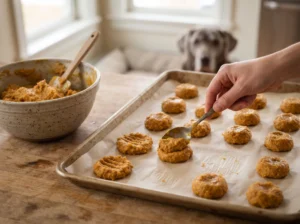
Using a small spoon or melon baller, drop small rounds of the mixture onto a parchment-lined baking sheet, leaving space between each one. Flatten slightly with the back of a spoon.
Step 5: Bake Gently
Bake for 15–18 minutes, just until set. Unlike crunchy biscuits, you’re not looking for golden, crisp edges — you want the treats to hold their shape while staying soft in the center.
Step 6: Cool and Check Texture
Let the treats cool completely. They should be soft and slightly chewy, similar to a soft granola bite. If they seem too firm, reduce baking time slightly in your next batch.
Storage Tips
Because these treats are moist and contain fewer preservatives than store-bought options, proper storage is important:
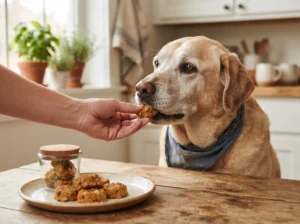
- Refrigerator: Store in an airtight container for up to 1 week.
- Freezer: Freeze in a single layer, then transfer to a sealed bag for up to 2 months. Thaw a few at a time.
- Avoid room temperature storage for more than a day or two, since the moisture content makes these treats more prone to spoilage.
Additional Tips for Feeding Senior Dogs
- Break treats into smaller pieces if your dog still struggles with the size, even when soft.
- Warm treats slightly before serving — cold treats straight from the fridge can sometimes cause a mild dip in palatability or comfort for sensitive mouths.
- Watch portion sizes. Senior dogs are often less active, so treats should still make up no more than 10% of their daily caloric intake.
- Consult your vet if your dog suddenly shows reluctance to eat, drops food frequently, or shows signs of pain while chewing — this could indicate a dental issue that needs professional attention.
Frequently Asked Questions
Can I use fresh pumpkin instead of canned?
Yes, just make sure it’s cooked and pureed with no added sugar or spices, and drain excess moisture if needed.
My dog has no teeth at all — will this recipe work?
Yes, these treats are soft enough to be gummed or lightly mashed further if your dog is fully toothless.
Can I add these to my dog’s regular food instead of serving as a treat?
Absolutely. Crumbled into a small amount over their regular meal, these treats can add flavor and encourage eating in dogs with reduced appetite.
How do I know if my senior dog needs softer treats?
Watch for signs like dropping treats, chewing on one side of the mouth, reluctance to eat hard foods, or visible discomfort during meals.
Final Thoughts
Aging shouldn’t mean the end of treat-time joy for your dog. With a few simple ingredient swaps and a gentler approach to texture, you can continue to reward and comfort your senior companion without causing pain or frustration. These soft, nutrient-rich treats are easy to make, gentle on tired jaws, and packed with ingredients that support your dog’s overall well-being in their golden years.