

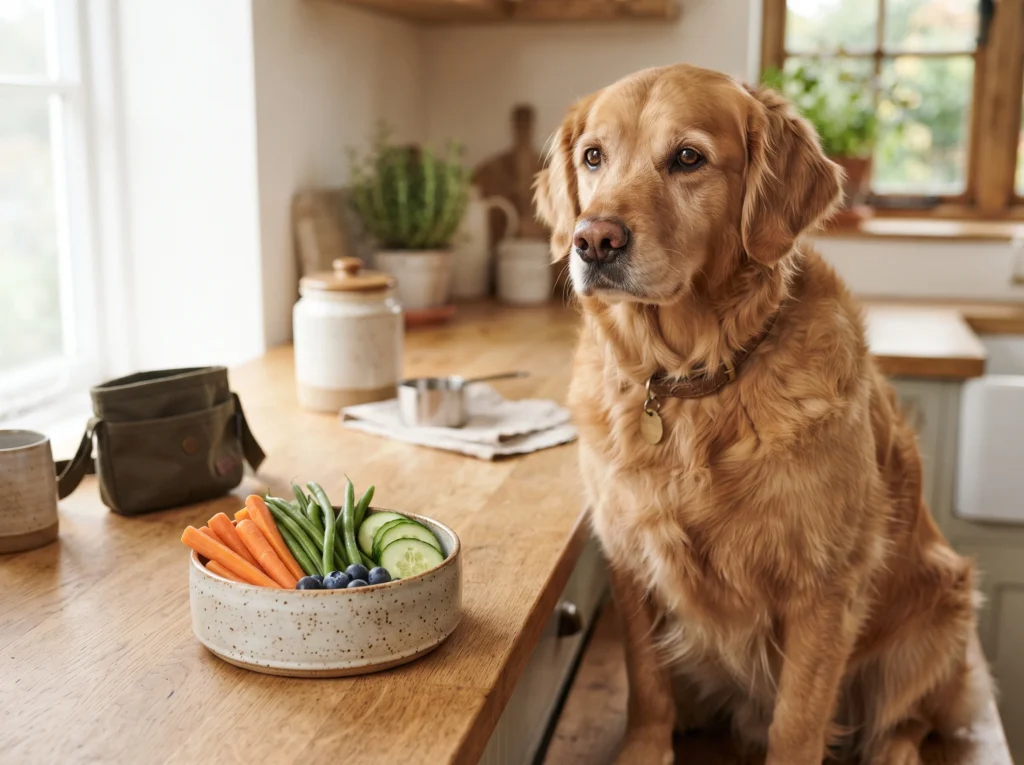
Watching your dog struggle with extra weight is hard. They slow down on walks, tire out faster, and may even face a higher risk of joint problems, diabetes, and heart disease. One of the trickiest parts of helping an overweight dog slim down is treats — because let’s be honest, most pet parents aren’t willing to cut treats out completely. The bond built over a well-timed snack is real, and dogs know exactly how to ask for one.
The good news is that you don’t have to choose between showing love and supporting weight loss. The key is switching to treats that are genuinely low in calories, low in fat, and still satisfying enough that your dog doesn’t feel shortchanged. This guide breaks down what actually works, backed by practical, vet-friendly advice.
Why Regular Treats Sabotage Weight Loss
Most commercial dog treats are calorie-dense, even the ones marketed as “healthy.” A single medium-sized biscuit can pack 50–100 calories, which sounds small until you realize the average small dog only needs 200–400 calories a day total. Treats are meant to make up no more than 10% of a dog’s daily calories, but many owners unintentionally give 20–30% just through snacking throughout the day.
This is compounded by the fact that many treats are made with rendered fats, cornstarch, and sugar-based binders, ingredients that add calories without adding real nutritional value. For an overweight dog, every one of those extra calories matters.
What Makes a Treat Truly “Low-Calorie”
Not every treat labeled “light” or “diet” on the packaging is actually low in calories. When choosing or making treats for an overweight dog, look for these characteristics:
- Low fat content – Fat is the most calorie-dense macronutrient, so treats with minimal added oils or fats are ideal.
- High water content – Foods like vegetables and fruits are naturally low-calorie because much of their weight comes from water, not energy-dense material.
- High fiber – Fiber helps dogs feel full without adding many calories, and it supports healthy digestion.
- Minimal processing – Whole, single-ingredient treats tend to have fewer hidden calories than processed biscuits or jerky-style treats.
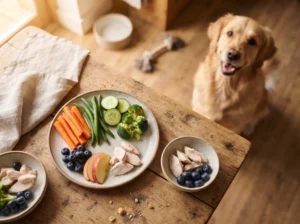
Best Low-Calorie Treat Options for Overweight Dogs
1. Fresh Vegetables
Many dogs enjoy raw or steamed vegetables as much as they enjoy traditional treats, and vegetables are dramatically lower in calories.
- Carrot sticks – Around 4 calories per baby carrot, plus the crunch helps with dental health.
- Green beans – A favorite among vets for weight management; a cup of raw green beans has roughly 31 calories.
- Cucumber slices – Extremely low in calories and hydrating, especially in warmer months.
- Broccoli florets (in moderation) – Nutrient-dense, though should be given in small amounts to avoid digestive upset.
2. Fruit in Small Portions
Fruit contains natural sugar, so portion control matters, but small amounts make excellent low-calorie rewards.
- Blueberries – Around 1 calorie each, making them perfect for training sessions where you need multiple small rewards.
- Apple slices (no seeds) – Roughly 5 calories per thin slice.
- Watermelon (seedless, no rind) – Mostly water, so it’s naturally low in calories.
3. Lean Proteins
Protein helps dogs feel satisfied and supports muscle maintenance during weight loss, which matters since dogs can lose muscle mass along with fat if their diet isn’t balanced.
- Plain boiled chicken breast (shredded, no skin) – Lean and low-fat compared to processed meat treats.
- Plain boiled or steamed white fish – A good occasional alternative that’s naturally low in fat.
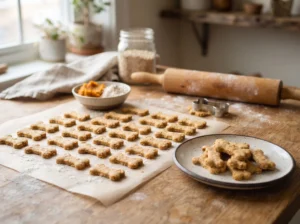
4. Homemade Low-Calorie Biscuits
Making treats at home lets you control every ingredient and portion size, which is especially valuable for weight management.
Simple recipe:
- 1 cup pumpkin puree (plain, not pie filling)
- 1 cup oat flour
- 1 egg
Mix, roll thin, cut into small shapes, and bake at 350°F for about 20 minutes. Because pumpkin is low in calories and high in fiber, and the biscuits are rolled thin, each piece ends up far lighter than a standard store-bought treat.
5. Freeze-Dried Vegetable and Meat Treats
Freeze-drying removes moisture without adding fat, resulting in treats that are lighter per piece than baked or jerky-style options. Look for single-ingredient freeze-dried options like sweet potato, green beans, or plain chicken.
Portion Control Matters as Much as Ingredients
Even the healthiest treat can undermine weight loss if given in excess. A few practical strategies:
- Use a treat pouch with pre-portioned servings so you’re not eyeballing amounts.
- Break treats into smaller pieces, especially for training, where frequency matters more than size.
- Factor treats into daily calorie totals, adjusting meal portions accordingly.
- Switch some rewards to non-food options, like a favorite toy, a belly rub, or extra playtime, to reduce total treat dependency.
Foods to Avoid for Overweight Dogs
Some treats seem harmless but are surprisingly calorie-dense or unsuitable for dogs managing weight:
- Cheese – Tasty, but high in fat; best reserved for rare, small rewards.
- Peanut butter (in large amounts) – Nutritious in moderation, but calorie-dense; stick to small licks rather than spoonfuls.
- Commercial jerky treats – Often high in sodium and fat despite appearing “meaty” and healthy.
- Rawhide chews – Not necessarily high-calorie, but they don’t offer nutritional benefits and some brands contain unwanted additives.
When to Talk to Your Vet
If your dog has been steadily gaining weight despite portion control, it’s worth scheduling a vet visit. Underlying issues like hypothyroidism can contribute to weight gain, and a vet can help you build a tailored weight-loss plan, including calorie targets and an appropriate treat allowance based on your dog’s breed, age, and activity level.
Final Thoughts
Helping an overweight dog lose weight doesn’t mean cutting out treats entirely, it means choosing smarter ones. Fresh vegetables, small portions of fruit, lean proteins, and homemade low-calorie biscuits allow you to keep rewarding your dog without adding unnecessary calories. Combined with portion control and regular vet checkups, these treat swaps can make a real difference in your dog’s health and energy levels over time.