


Most of us assume that if a treat is sold in a pet store, it must be safe. Unfortunately, the label doesn’t always tell the full story. Some ingredients cause obvious emergencies, while others do slow, quiet damage that only shows up as itchy skin, an upset stomach, or weight gain. Knowing what to look for makes you a much more confident shopper, and a better home baker. Here are the ingredients worth watching, and why.
1. Xylitol: Small Amount, Serious Danger
Xylitol is a sugar substitute found in sugar-free peanut butter, baked goods, gum, and some “light” products. It is highly toxic to dogs. Even a small amount can cause a sudden drop in blood sugar, and larger doses can lead to liver damage. If you bake at home, always check the peanut butter label before it goes into the mixing bowl. If your dog may have eaten something containing xylitol, contact your vet or a poison helpline immediately.
2. Onion and Garlic Powder
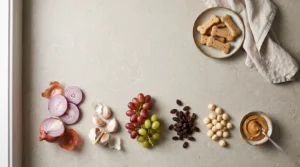
These are common flavor boosters in savory treats and human leftovers. Onions, garlic, chives, and leeks can damage a dog’s red blood cells and lead to anemia. The effects may not appear for a few days, which is why this ingredient is so easy to miss. Powdered forms are concentrated, so “just a pinch” still counts. Skip them entirely when making treats.
3. Excess Salt
Dogs need far less sodium than people do. Salty jerky-style treats, cheese-heavy snacks, and processed meats can lead to excessive thirst and stomach upset. For dogs with heart or kidney concerns, regular high-sodium treats can make things worse. If your dog needs a gentler option, browse these low-sodium dog treats for heart conditions.
4. Chemical Preservatives (BHA, BHT, Ethoxyquin)
Manufacturers use these to extend shelf life. They are permitted in pet foods within set limits, but many owners prefer to avoid them, especially for dogs who eat treats daily. Look for treats preserved naturally with vitamin E (often listed as “mixed tocopherols”) or rosemary extract.
5. Added Sugars and Syrups
Corn syrup, molasses, cane sugar, and “sweeteners” help treats taste good and stay soft, but they add calories without nutrition. Over time, extra sugar contributes to weight gain and dental problems. A simple rule: if sugar appears in the first few ingredients, put the bag back.
6. Propylene Glycol
Some soft, chewy treats contain propylene glycol to keep them moist. Dog-food regulations allow it, but it isn’t an ingredient that adds anything useful for your pet, and it is banned in cat foods. If you’re unsure, choose treats with shorter, recognizable ingredient lists.
7. Artificial Colors and Flavors
Dogs don’t care if a biscuit is bright red or green. Those colors are there to appeal to you. Artificial dyes provide no benefit, and some dogs with sensitive skin or digestion do better without them. If a treat’s color looks unnaturally vivid, check the label.
8. Vague Ingredients Like “Meat By-Products” or “Animal Digest”
Not every by-product is bad, but vague wording makes it impossible to know what your dog is eating. Specific labels like “chicken,” “beef,” or “sweet potato” are more transparent. If a brand can’t tell you what’s inside, that’s a red flag.
9. Grapes, Raisins, and Macadamia Nuts
These sometimes sneak into homemade or bakery-style recipes. Grapes and raisins can cause kidney failure in dogs, and the exact cause is still unknown, so there is no “safe” amount. Macadamia nuts can cause weakness, vomiting, and tremors. Keep both out of your
kitchen’s dog-treat zone, including trail-mix-style snacks you share.
10. Rawhide and Hard Chews That Don’t Break Down
Strictly speaking, these aren’t ingredients, but they cause real trouble. Large pieces can lead to choking or intestinal blockages. If your dog is a heavy chewer, compare your options in this guide on bully sticks vs rawhide to see which is the safer choice.
How to Read a Dog Treat Label Like a Pro
Ingredients are listed by weight, so the first five tell you the most. Here’s a quick checklist:
- Short list: Fewer ingredients usually means fewer surprises.
- Named proteins: “Chicken” is better than “meat.”
- No artificial colors or flavors.
- Natural preservatives: Look for vitamin E or rosemary extract.
- Reasonable sugar and salt content.
- Clear manufacturer information: Look for a phone number or website where you can ask questions.

What to Use Instead
The safest route is often the simplest one. Making treats at home lets you control every ingredient. Oats, pumpkin, banana, carrot, sweet potato, and plain cooked chicken are all widely used, dog-friendly choices. For more ideas on what to put in the bowl, see our guide to the healthiest dog treat ingredients.
Keep in mind that even healthy ingredients should be given in moderation. Treats should make up no more than about 10% of your dog’s daily calories.

What to Do If Your Dog Eats Something Harmful
Act quickly and stay calm:
- Remove any remaining food from your dog’s reach.
- Note what was eaten, how much, and when.
- Call your veterinarian or an emergency clinic right away.
- You can also contact a poison hotline, such as the ASPCA Animal Poison Control Center at (888) 426-4435 or the Pet Poison Helpline at (855) 764-7661. A consultation fee may apply.
Don’t try to make your dog vomit unless a professional tells you to.
Frequently Asked Questions
Are grain-free treats automatically safer?
Not necessarily. Grains aren’t harmful for most dogs. What matters is the quality of the overall ingredient list and your dog’s individual needs.
Is “natural” on the label a guarantee of safety?
No. “Natural” is a marketing term with loose standards. Always read the actual ingredients.
How can I tell if a treat doesn’t agree with my dog?
Watch for loose stools, vomiting, excessive itching, ear problems, or low energy after introducing a new treat. Stop feeding it and consult your vet if symptoms continue.
Final Thoughts
A treat should be a small, happy part of your dog’s day, not a hidden source of problems. Get in the habit of flipping the bag over, learning a handful of red-flag ingredients, and choosing simple recipes whenever you can. Your dog can’t read labels, so that job falls to you. When in doubt, ask your vet.