

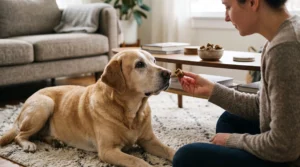
As dogs age, their mouths change. Teeth wear down, gums become tender, and crunchy biscuits that once vanished in seconds may now sit untouched in the bowl. Many senior dogs still love treat time but struggle to chew hard snacks, and dental disease affects a large share of older dogs. The solution is to offer treats that are soft, easy to chew, and gentle on the stomach.
This guide covers seven senior dog treats that are soft enough for old teeth and gums, plus tips for choosing, serving, and storing them safely.
Why Senior Dogs Need Softer Treats
Chewing a hard biscuit can hurt a dog with worn teeth, loose teeth, or inflamed gums. Some seniors respond by swallowing treats whole, which can cause choking or digestive upset. Others stop eating treats altogether, which means they miss out on training rewards and bonding moments.
Soft treats solve these problems. They break apart easily, require little chewing, and are often made from moist, fiber-rich ingredients that are kind to aging digestive systems. If your dog has ongoing mouth pain, drooling, bad breath, or trouble eating, schedule a vet visit to rule out dental disease.
7 Soft Senior Dog Treats Your Dog Will Love
1. Sweet Potato Bites
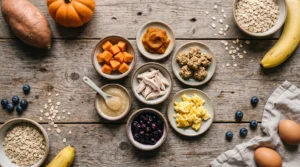
Cooked sweet potato is naturally soft, mildly sweet, and rich in fiber and vitamin A. Baked until tender, it can be mashed or cut into small, squishy pieces that almost melt in the mouth. If you’d like to bake your own, this sweet potato dog treats recipe is a good place to start. Serve plain, with no butter, salt, or seasoning.
2. Pumpkin Puree Chews
Plain canned pumpkin (not pie filling) is a long-time favorite for dogs with sensitive digestion. Its smooth texture makes it ideal for toothless or tender-mouthed seniors. Mix it with a little oat flour to form soft, pliable treats, or serve a small spoonful as a topper. Our pumpkin dog treats guide shows several easy ways to use it.
3. Banana Oat Soft Bites
Ripe banana and oats make a naturally tender dough. Baked briefly, these treats stay moist and chewy rather than crisp, which makes them perfect for sore gums. The oats add gentle fiber, and the banana adds natural sweetness without any added sugar. For a simple version, try these banana oat dog treats.
4. Soft Cooked Chicken Morsels
Boiled or baked chicken breast, shredded or minced into small pieces, is one of the easiest high-protein treats for a senior dog. It’s tender, flavorful, and very easy to chew. Always remove bones and skin, and skip salt and seasonings. Because lean protein supports muscle maintenance, which becomes more important with age, small amounts of chicken make a rewarding snack.
5. Unsweetened Applesauce Spoonfuls
Plain, unsweetened applesauce is soft, hydrating, and easy to lick up. You can serve a teaspoon on its own, spread it on a lick mat, or fold it into homemade soft treats. Check the label to make sure there is no added sugar, xylitol, or artificial flavoring.
6. Soft Blueberry Mash Treats
Blueberries are rich in antioxidants and gentle on the mouth when mashed. Mixing them into a soft dough, or simply lightly mashing a few fresh berries onto your dog’s food, adds variety without requiring any hard chewing. Offer them in moderation, since fruit still contains natural sugars.
7. Moist Scrambled Egg Pieces
A plain, fully cooked egg is soft, protein-packed, and easy for dogs of any age to eat. Scramble it without oil, salt, or butter, cool it, and break it into small crumbles. It makes an excellent high-value reward for a senior dog who has lost interest in dry snacks.
How to Choose the Right Soft Treat for Your Senior Dog
Not every soft treat is a good choice. Keep these points in mind when selecting or making treats for an older dog:
- Check the ingredients. Avoid xylitol, chocolate, grapes, raisins, onions, garlic, and macadamia nuts, all of which are toxic to dogs.
- Watch the sugar and fat. Older dogs are often less active, so rich or sugary treats can lead to weight gain and pancreatitis in sensitive dogs.
- Mind the size. Cut treats into pea-sized or small bite-sized pieces so they’re easy to swallow.
- Consider health conditions. Dogs with kidney disease, diabetes, heart problems, or food allergies may need specific diets, so ask your veterinarian before introducing new treats.

Tips for Serving Treats to Senior Dogs
Warm them slightly. Gently warming soft treats brings out their aroma, which helps dogs with a reduced sense of smell stay interested.
Offer smaller portions more often. Many seniors do better with several tiny rewards than one large snack.
Keep treats under 10% of daily calories. Even healthy treats add up, and maintaining a healthy weight reduces stress on aging joints.
Introduce new foods slowly. A sudden change can upset an older dog’s stomach, so start with a small taste and watch for any reaction over the next 24 hours.
How to Store Soft Homemade Treats
Soft treats contain more moisture than crunchy biscuits, which means they spoil faster. Store them in an airtight container in the refrigerator for up to five to seven days. For longer storage, freeze them in small portions and thaw only what you need. Discard any treat that smells off, feels slimy, or shows signs of mold.

Frequently Asked Questions
What makes a treat “soft enough” for a senior dog?
A good soft treat should break apart easily with light pressure and shouldn’t require much chewing. If you can crush it between your fingers, it’s likely gentle enough for most older dogs.
Can senior dogs eat store-bought soft treats?
Yes, but read the label carefully. Many commercial soft chews contain added sugars, salt, or artificial preservatives. Look for short ingredient lists with recognizable foods.
How many treats can my senior dog have each day?
Treats should make up no more than about 10% of your dog’s daily calories. Your vet can help you work out the right amount based on size, weight, and health.
My senior dog suddenly refuses treats. Should I worry?
A sudden change in appetite can signal dental pain or another health issue. If it lasts more than a day or two, consult your veterinarian.
Final Thoughts
Getting older doesn’t mean your dog has to give up treat time. With a few soft, simple ingredients like sweet potato, pumpkin, banana, and lean protein, you can keep rewarding your senior companion without causing discomfort. Pay attention to how your dog responds, adjust textures as their needs change, and check in with your vet regularly to keep their mouth and overall health in good shape.